
Key Takeaways:
- Pain Isn’t Inevitable: If you’re asking “Does anal sex hurt?” the real answer is: it doesn’t have to when you prepare, use plenty of lube, go slow, and keep penetration optional.
- Warm-up Wins: Breathwork, external touch, and gradual sizing (finger → slim plug → larger toys) let muscles adapt and reduce tension.
- Control = Comfort: Choose positions and pacing that give the receiver control, keep feedback simple, and treat any discomfort as a cue to pause—not push through.
Short answer: Does anal sex hurt? It doesn’t have to. Discomfort usually comes from rushing, dry friction, or treating penetration like a goal instead of an option. With prep, generous lube, slow pacing, and clear communication, many people find anal play comfortable—and genuinely pleasurable.
At Hello Cake, we’re all about turning curiosity into confident, body-safe experiences. In this guide, you’ll learn exactly how to reduce discomfort and increase pleasure: what prep actually matters, how to choose and use lube, the warm-up steps that relax your body, beginner-friendly toys and positions, and simple scripts for real-time check-ins and aftercare. By the end, you’ll have a calm, repeatable routine to explore at your own pace—no pressure, just comfort-first progress.
Does Anal Sex Hurt?
If your first thought is “Does anal sex hurt?”, you’re not alone. Most discomfort comes from rushing, skipping warm-up, not using proper lubrication, or treating penetration as the goal instead of an option. When you build in prep, generous lube, and slow pacing, the body can relax—and many people discover sensations that feel new, full, and genuinely pleasurable.
Comfort-First Checklist (Before Anything Goes Inside)
Think of this checklist as your calm, repeatable pre-game, designed to lower tension and make comfort the default. You’re not trying to “get to” penetration; you’re creating conditions where your body can relax, notice what feels good, and build trust. Set the tone up front, and you’ll answer your own question, does anal sex hurt, with a lot more confidence and a lot less guesswork.
- Set Expectations: Penetration is optional; comfort and curiosity come first.
- Create The Space: Soft lights, phone away, towel, and lube within reach.
- Pick A Phrase: “Pause,” “slower,” or “switch” means you can stop or pivot anytime.
- Breathe Together: Long, slow exhales help pelvic muscles let go.
- Layer Sensation: Pair anal warm-up with clitoral or other external stimulation to anchor “good” feelings from the start.
Once you’ve laid this groundwork, take your time and treat every step as optional. Check in often, add sensation in small layers, and use your pause phrase the moment anything feels off. The more you practice this comfort-first rhythm, the easier it becomes to repeat good experiences and to keep exploration playful, connected, and pain-free.
Lube, Hygiene & Warm-Up (The Big Three)
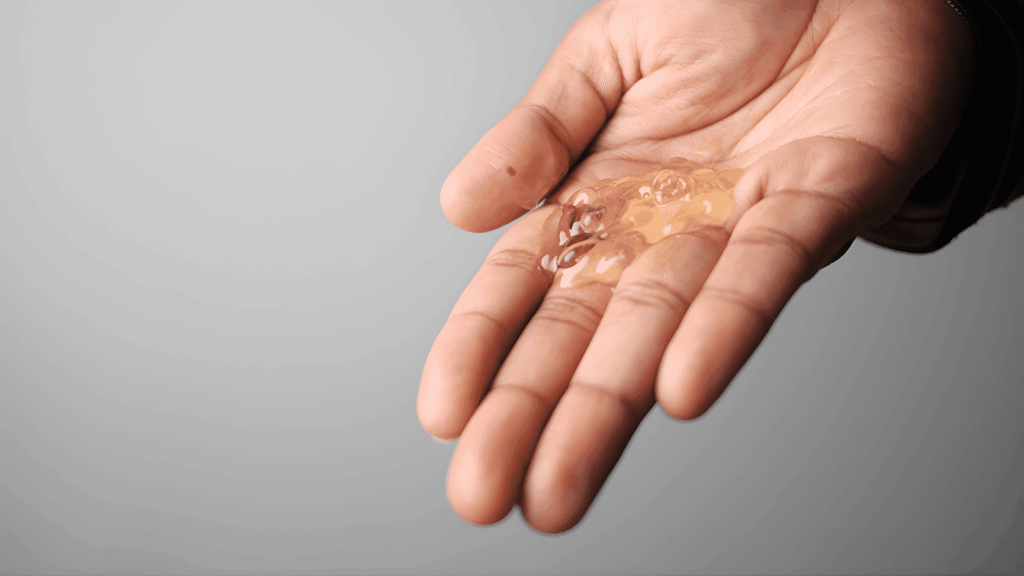
Does anal sex hurt without lube? Almost always. Use more than you think, then add more again. Water-based lube is easy to clean and toy-friendly; silicone lube lasts longer and can feel extra cushioned. Keep the bottle handy so reapplication never breaks the mood.
Hygiene is simple: clean hands, short nails, and a clean towel. Start with stillness: a lubricated fingertip or very slim plug held at the entrance while you breathe slowly. When your body relaxes, then add the smallest movement. For a step-by-step shopping and sizing path, see our guide to anal sex toys.
Training Toys & Plugs (Size, Shape, and Safety)
Start small and choose a tapered tip, a slim neck, and a flared base for safety. Hold the smallest size with breath and stillness for a few minutes before any movement. Progress only when your body says “yes.” For deeper fit-and-care tips, bookmark our butt plug guide—it covers sizes, shapes, and how to store and clean your toys.
Curious about role play or pegging? The strap-on sex guide explains harness fit and angle control so the receiver can stay comfortable and in charge.
Positions & Pacing (Control = Comfort)
Positions are your built-in comfort controls: they determine how easily you can talk, pause, and fine-tune depth—exactly what matters when you’re wondering if anal sex hurts and want to keep it from doing so. Aim for setups that let the receiver steer the pace and the angle without strain, with plenty of pillows to support hips and lower back. Keep movements tiny at first, using long exhales and eye contact to stay connected; when the body feels safe, muscles release and sensation shifts from “guarded” to “good.” Choose positions that make feedback easy and depth adjustable:
- Side-Lying Spooning: Excellent for slow entry and shallow depth.
- Pillow-Assisted Missionary: Small angle changes = big comfort wins.
- Face-Down With Hips Elevated: Allows gradual pressure with clear, verbal feedback.
Layer in external pleasure (clitoral or perineal stimulation, a favorite vibe) so your brain consistently pairs new pressure with familiar, enjoyable signals. If you’d like playful, low-stakes prompts to practice the teamwork piece, try butt stuff for both of you for consent-forward mini challenges you can drop into any session.

Communication & Aftercare: How You End Shapes How You Feel
Talk before touch: boundaries, pace, and your pause phrase. During play, use “more/less/this” for easy, real-time adjustments. Afterward, go slow: remove toys gently, take a warm shower, hydrate, and cuddle. A two-minute debrief—what felt good and one tweak for next time—turns every session into a learning loop and reduces worry about whether anal sex will hurt in the future.
Myth Vs. Reality: Why Pain Happens And How To Prevent It
Before we tackle the question, does anal sex hurt, it helps to separate fear-fueling myths from what actually creates comfort. Most early discomfort comes from tension and rushing, not from some fixed “pain rule.” When you treat penetration as optional, use generous lube, and move in slow, tiny steps with long exhales, the body learns to relax. With that frame in mind, here are a few common myths and what really helps instead.
Myth: “If it hurts at first, it’ll always hurt.”
Reality: Muscles around the anus are protective by design. With slow warm-up, deep exhales, and gradual sizing, they learn to relax—comfort increases session by session.
Myth: “More pressure makes it work.”
Reality: The external sphincter responds to tiny movements and long pauses. Micro-steps beat “pushing through” every time.
Myth: “Prep is optional.”
Reality: The anus doesn’t self-lubricate. Lube + breath + time change everything about whether anal sex hurts.
Use these realities as your playbook: small movements, long pauses, and lots of lubrication. If you’re truly new, begin with a warm-up only so your body can associate the experience with ease rather than pressure. A gentle, goal-free primer like how to tease your backdoor offers step-by-step ideas that many people find surprisingly comfortable. Start there, listen to your signals, and let comfort, not speed, set the pace.
Make It Fun (Because Playfulness Reduces Tension)
Distraction helps muscles relax. Read something spicy aloud, swap turns guiding touch, or try a single, low-effort position for five minutes before changing anything. When you’re ready for variety, add one new sensation at a time: texture, temperature, or a small vibration pattern. Keeping it playful lowers the stakes and makes comfort more repeatable.

Final Thoughts
So, does anal sex hurt? It can, if you rush, skip warm-up, underuse lube, or push past your body’s signals. But when you build a comfort-first routine, prep the space, breathe together, start small, and keep penetration optional, your nervous system shifts from guarding to exploring. That’s when sensations move from “tense” to “good,” and curiosity can lead the way. Treat each session like practice, not a performance: tiny movements, frequent check-ins, and plenty of re-lubing. If something feels off, pause, pivot, or stop—listening to your body is success, not failure.
The real win is repeatable ease: a simple checklist you can return to any time to create a calm setup, generous lube, gradual warm-up, positions that give control, and a quick debrief afterward. Over a few low-pressure sessions, you’ll learn what helps you relax, which toys or positions feel best, and how to communicate that clearly. Keep it kind, slow, and playful, and let pleasure, not pressure, set the pace.
Read Also:
- What Is Female Sexual Dysfunction
- The Science Behind Delayed Ejaculation: Causes and Treatment Options
- How Long Does It Take to Recover from Erectile Dysfunction
Frequently Asked Questions About Anal Sex
Does anal sex always hurt the first time?
Not necessarily. Discomfort usually comes from tension, dry friction, or trying too much too fast. With breathwork, generous lube, and a small, tapered starter toy or fingertip, many people find sensations that are more pressure-full than painful. If anything feels sharp or “wrong,” pause—listening to that signal prevents pain and builds trust with your body.
How much lube should we use?
More than you think, then reapply. The anus doesn’t self-lubricate, so lubrication is the biggest lever in reducing friction and guarding. Keep the bottle in reach and top up anytime the sensation feels dry. Water-based is versatile; silicone offers longer glide and extra cushion.
Which position is most comfortable for beginners?
Positions that allow slow entry, shallow depth, and easy talk are best; side-lying spooning and pillow-assisted missionary are favorites. They make it simple to pause, change angles, or add external stimulation for comfort. When the receiver controls pace and depth, the chances of pain drop dramatically.
Do we need to use plugs before penetration?
You don’t have to, but short sessions with a small plug can help muscles adapt. Focus on stillness and slow exhales before any movement, then remove gently and debrief on what felt good. If you decide to size up later, do it gradually and only when your body feels ready. Our butt plug guide linked above covers sizing and safety.
Can toys or strap-ons make it easier?
Yes, predictable shape, size, and angle often mean more comfort. Start small, use lots of lube, and rotate or pulse instead of thrusting at first. If you’re curious about pegging, the strap-on sex guide linked above explains harness fit and angle control so you can stay comfortable.
What if I get nervous or tense mid-play?
Treat nerves as a cue to slow down, not push through. Pause, take three long exhales, and switch to gentler activity (hands, rimming, or external toys). Check in with “more/less/this,” and only continue if comfort returns. Protecting comfort now means better experiences later.
How do we prevent post-play soreness?
Keep sessions short at first, use plenty of lube, and avoid rapid depth changes. Afterward, warm showers and gentle stretching can help; skip anal play until any soreness fully fades. Clean toys with mild soap and water, and air-dry before storing to prevent irritation next time.
How do we keep it clean and low-stress?
A relaxed shower beforehand and a clean towel nearby are usually enough. Some people like external wipes for confidence, but avoid harsh internal soaps. Use condoms on toys or penises and change between anal and vaginal contact to reduce infection risk. Clean toys thoroughly after with mild soap and water.
What if penetration just isn’t my thing?
That’s totally valid. Anal pleasure is not “required” for a satisfying sex life, and you can enjoy plenty of anal-adjacent sensations (external touch, rimming, small plugs) without penetration. The win is comfort and connection, not checking a box. Keep what you like and leave the rest.
How long until it feels good?
Timelines vary; some people enjoy it quickly, others need several short, low-pressure sessions. Think in weeks, not minutes, and track what helps you relax (lighting, music, positions, lube type). When you remove pressure and add patience, comfort usually grows, and worry about whether anal sex hurts fades with practice.